Maternal Injury Project
The Aftermath
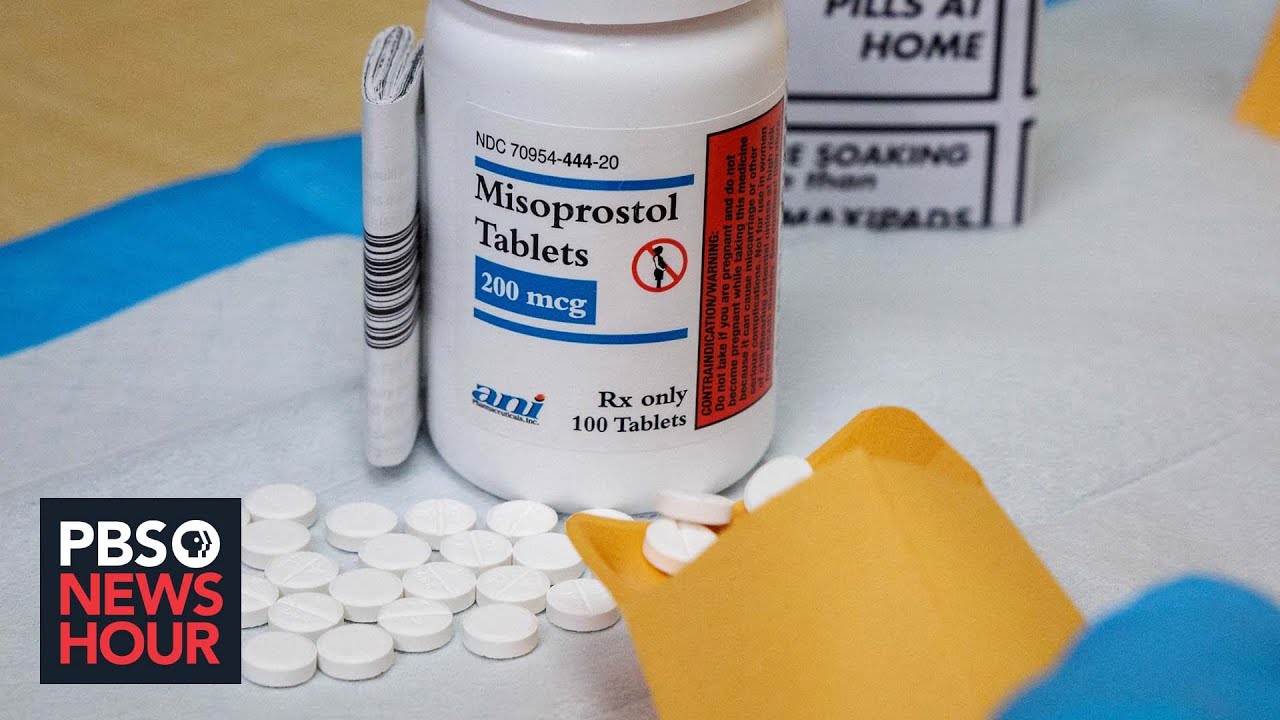
In partnership with PBS News Hour and Stateline, the nation’s largest state-focused nonprofit news organization, this journalism project will convey the scope and impact of the Dobbs decision by gathering in one place reporting on women impacted by state abortion bans since August 2022.



Support Investigative Journalism
The Issue
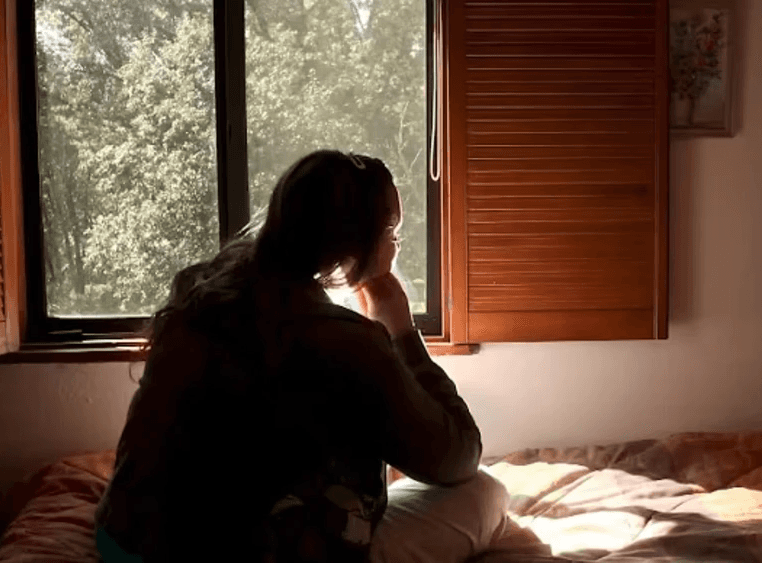
In the years since the Supreme Court's monumental Dobbs decision in 2022, state abortion bans have reshaped the lives of women and girls across the country — through delayed miscarriage care, lost or diminished fertility, prolonged physical suffering, mental health crises, and preventable deaths. This is one of the defining public health stories of our time, and it is unfolding community by community, largely in places where local newsrooms lack the resources to document the fallout. National reporting and aggregate public health data have captured pieces of this story, but no effort exists to systematically document individual cases of harm on an ongoing basis. The broad and painful repercussions on women’s physical and mental health are going largely undocumented, even as the cases continue to mount.
The Project
The Aftermath is envisioned as a collaborative reporting hub, not a standalone newsroom. A dedicated central team — bolstered by a formal partnership with PBS News Hour and Stateline, the nation's largest state-focused nonprofit news organization — gives local and regional journalists across ban states the sourcing, journalistic foundation and legal support they need to pursue sensitive maternal-harm cases. Local reporters report and publish stories rooted in their communities under their own bylines. The Aftermath's team will build and maintain a case database, grounded in objective reporting, constituting the first overarching, case-level public record of this harm anywhere in the country.
We have an established track record: We already have documented more than 180 cases of maternal harm, and our reporting with PBS News Hour has helped shape the national conversation on this issue.
Why Now
The harm is accumulating faster than anyone is documenting it. Every month without a systematic record is a month of stories — and patterns — permanently lost. This funding builds the infrastructure to capture that record and put it in the hands of the local reporters best positioned to act on it.
What This Funding Achieves (2 years)
The Ask
$840,000 over two years to build a three-person central editorial team — Senior Editor, Senior Reporter, and Junior Reporter — and fund travel, records requests, legal review, and equipment. Full itemized budget available on request.